HyperX Cloud III Review: The Value Benchmark
The Cloud III wins the value argument with fundamentals — big angled drivers, a genuinely clear microphone, and a metal frame — rather than with feature lists.
By Sofia Marques · October 6, 2026 · Updated October 6, 2026
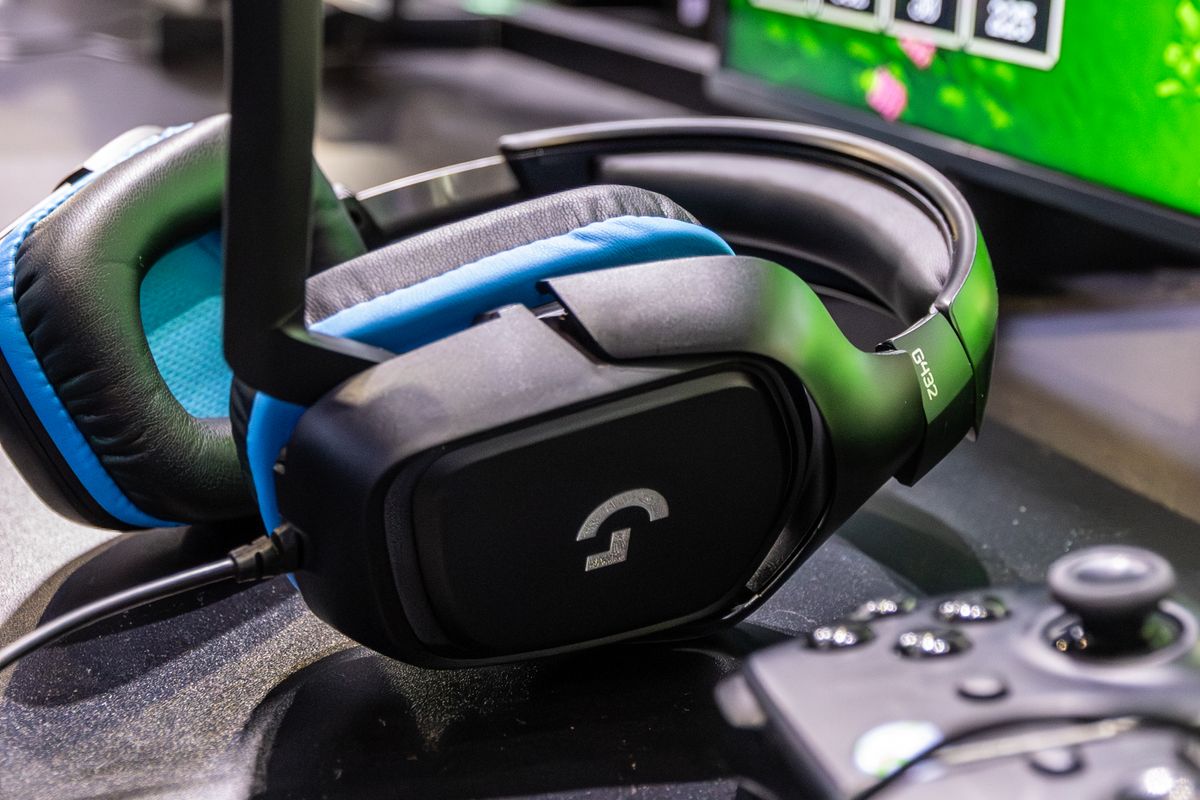
The HyperX Cloud III inherits the most argued-over reputation in gaming headsets — the Cloud II’s — and the interesting question is not whether it is good, but whether a $99.99 wired headset still justifies itself when $60 competitors keep getting sharper. Reading the spec sheet against its closest rivals suggests it does, for reasons that are refreshingly boring.
Drivers, mic, and what’s in the box
The official HyperX listing is unusually complete. The HyperX Cloud III uses 53mm dynamic drivers with neodymium magnets, mounted at an angle — a small mechanical detail that widens perceived soundstage versus flat-mounted drivers of the same size. Frequency response is 10Hz–21kHz into a 64-ohm load, and the frame is aluminum rather than plastic. Weight is listed at 0.7 lb with the microphone attached. The 10mm electret condenser mic is noise-cancelling, with a physical mute on the boom and an LED that shows mute status — a small thing you stop noticing until a teammate thanks you for it.
Two spec details matter for value. Connectivity first: 3.5mm, USB-C, and USB-A are all in the box, covering PC, PlayStation, Xbox, Switch, Mac, and mobile without adapters you have to buy. Then DTS Headphone:X ships as a lifetime activation on PC over USB — not a subscription, not an upsell.
Sound and mic, with a software caveat
The tuning leans toward the midrange, where footsteps and voice chat live, with bass present but not overpowering. Professional reviewers have been consistent on this point: TweakTown’s review of the Cloud III family praises the balanced default profile and notes the 10mm mic captures noticeably clearer chat than the Cloud II’s 6mm unit. Community reports echo the same two themes — long-session comfort from the memory foam cushions, and a microphone that gets complimented in Discord, which is the real test.
The honest counterpoint is the NGENUITY software. TweakTown found the DTS implementation prone to audio glitches, and most owners agree the default stereo profile beats the virtual surround anyway. The hardware is the argument here; the software is not.
Against the BlackShark V2 X and Arctis Nova 3
The picks section below lines the HyperX Cloud III up against the Razer BlackShark V2 X and the SteelSeries Arctis Nova 3. Two caveats, though: the BlackShark V2 X is 240 grams and wins on weight and price, but its 3.5mm-only connection and smaller 50mm drivers give up the Cloud III’s USB digital audio and DTS license. The Arctis Nova 3 matches the price and adds Sonar’s 10-band EQ and RGB, but its 40mm drivers and one-year warranty trail on the fundamentals.
The one-headset case
The Cloud III is the pick if you want one headset that does everything adequately across every platform and survives being knocked off a desk. If microphone clarity is your deciding factor, read our gaming headset mic quality guide — boom mics like this one still beat most detachable designs. PC-only players who want deeper software control can browse the headsets category hub, which tracks the alternatives as we review them. And if you are weighing the Wireless version against the wired one, our 2.4GHz vs Bluetooth latency guide explains exactly what the dongle connection buys.
Verdict: the value benchmark, because it spends your money on drivers, a metal frame, and a microphone — the three things that never stop mattering.
The picks
Some links below are affiliate links — we may earn a commission at no extra cost to you.
HyperX Cloud III
Best overall value $99.99Angled 53mm drivers, a 10mm noise-cancelling mic, aluminum frame, and 3.5mm/USB-C/USB-A in the box at $99.99 with a two-year warranty.
Razer BlackShark V2 X
Best budget pick $59.99240g, 50mm TriForce drivers, and a cardioid mic for $59.99 — the lightest and cheapest of the three, 3.5mm only.
SteelSeries Arctis Nova 3
Best for software control $99.99Sonar's 10-band parametric EQ, RGB, and a retractable ClearCast Gen 2 mic at $99.99, on smaller 40mm drivers with a one-year warranty.
Comparison
| Specification | HyperX Cloud III | Razer BlackShark V2 X | SteelSeries Arctis Nova 3 |
|---|---|---|---|
| MSRP | $99.99 | $59.99 | $99.99 |
| Driver | 53mm angled, neodymium | 50mm TriForce Titanium | 40mm neodymium |
| Frequency response | 10Hz–21kHz | 12Hz–28kHz | 20Hz–22kHz |
| Impedance | 64 ohm | 32 ohm | 36 ohm |
| Microphone | 10mm electret, noise-cancelling | HyperClear cardioid | ClearCast Gen 2, retractable |
| Connection | USB-C, USB-A, 3.5mm | 3.5mm | USB-C, 3.5mm |
| Spatial audio | DTS Headphone:X (PC/USB) | 7.1 (Windows 10) | Sonar 360 (PC) |
| Weight | 0.7 lb with mic | 240g | 253g |
| Warranty | 2 years | 2 years | 1 year |
Frequently asked questions
- Does the HyperX Cloud III work on Xbox without an adapter?
- Yes. The 3.5mm connection covers Xbox Series X|S and Xbox One directly, while the included USB-C and USB-A options cover PC, PlayStation, Switch, and Mac.
- Is DTS Headphone:X included or a paid upgrade?
- The wired Cloud III ships with a lifetime DTS Headphone:X activation for PC over USB — no extra purchase needed. It is toggled in the NGENUITY software.
- How does the Cloud III differ from the Cloud III Wireless?
- The Wireless version drops 3.5mm, adds a 2.4GHz dongle with up to 120 hours of claimed battery life, and costs $50 more. See our guide on 2.4GHz versus Bluetooth latency for what the dongle buys you.