Cloth vs Hard Mousepads: Which Surface Suits Your Play?
The oldest argument in peripherals, settled by construction and feel rather than folklore.
By Daniel Kwon · October 12, 2026 · Updated October 12, 2026
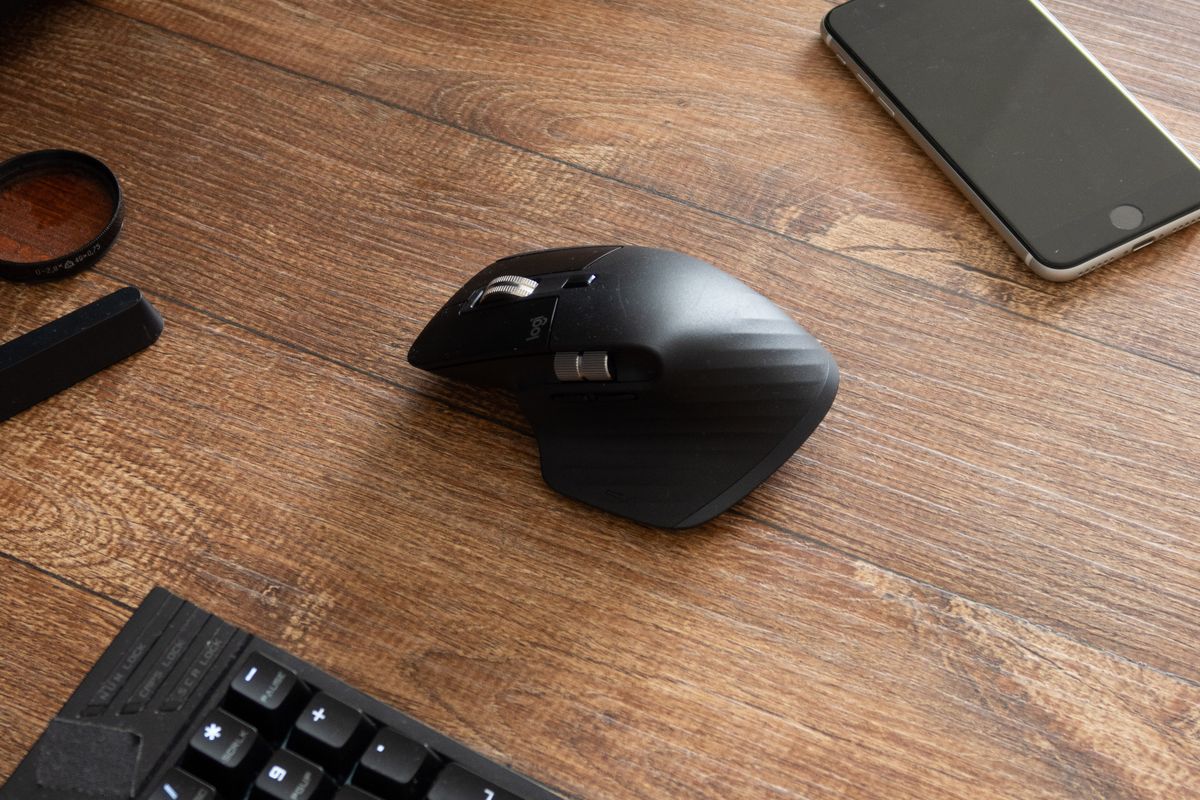
Cloth or hard: both camps are right about their own experience. The surfaces are built differently, wear differently, and reward different kinds of aim.
How each is built
A cloth pad is micro-woven fabric bonded to a rubber base, typically 2 to 6 mm thick — SteelSeries’ QcK Heavy Large, for example, runs 450 by 400 mm at 6 mm thick. A hard pad is a rigid sheet, usually polyethylene or similar plastic, over the same idea in rubber. Logitech’s G440 hard pad is 340 by 280 mm and 3 mm thick, pairing a low-friction polyethylene surface with a rubber base bonded to a rigid core.
Friction and feel
Hard surfaces glide. Less friction means the same flick force carries farther, which high-sensitivity wrist players and flick-heavy shooters tend to love — Logitech positions the G440 explicitly for that audience. The trade-off is braking: on a hard pad, you supply all of the stopping power, and overshoot is the classic beginner complaint.
Cloth grips harder. The weave adds resistance, which means more precise stopping and easier micro-corrections — the terrain of control-oriented play. Cloth also dampens sound and feels warmer over long sessions, which matters more than it sounds at hour four.
There is no break-in drama with either: cloth softens slightly over its first weeks, hard pads play identically from day one. Noise is the more practical divider — hard pads amplify every click and scrape, which headset-wearing roommates notice before you do.
Consistency, wear, and care
Sensors track both surfaces well; what they care about is consistency, and both deliver it — far better than a bare desk. The differences show up over time:
- Cloth absorbs spills and skin oils, slowly changing glide until you clean it. Most, including the QcK line, are washable and dry flat.
- Hard pads are immune to liquids but develop polished worn patches where your mouse travels most, changing friction locally after a year or two of heavy use.
- Mouse feet last longer on smooth hard surfaces than on abrasive cloth weaves.
Neither wears out quickly enough to be a dealbreaker; both are cheap compared to the mouse riding on them.
Which suits your play
Choose hard if you play at higher sensitivity, favor fast flicks, and want the quickest glide available. Choose cloth if you value stopping precision, play long sessions, or share a desk with food and drinks. Most players, including many competitive ones, settle on hybrid-textured cloth and never look back.
Your surface choice then feeds two other decisions: how much friction you want (covered in our texture guide) and how much desk the pad may claim, which our mousepad size guide maps out size by size.
Frequently asked questions
- Are hard mousepads faster than cloth?
- Generally yes. Hard plastic or polyethylene surfaces produce lower friction than most cloth weaves, so the same flick force carries farther. Speed-focused cloth designs narrow the gap, but a hard pad remains the fastest category on average.
- Do hard mousepads wear out mouse feet faster?
- No — the opposite. Smooth hard surfaces are gentler on PTFE feet than rough cloth weaves. The hard pad itself can develop glossy worn patches over years of use, which is usually when competitive players replace it.
- Can a gaming mouse track on a bare desk?
- Usually, but poorly. Optical sensors track best on consistent textured surfaces; bare wood or glass produces inconsistent reflections that degrade accuracy. A pad exists to give the sensor a uniform image, not merely to feel nice.