Gaming Mouse Weight: Light, Medium, or Heavy for Your Aim?
Weight is the spec you feel every second of a match. Here is what each class actually buys you, and which one fits how you aim.
By Daniel Kwon · September 29, 2026 · Updated September 29, 2026
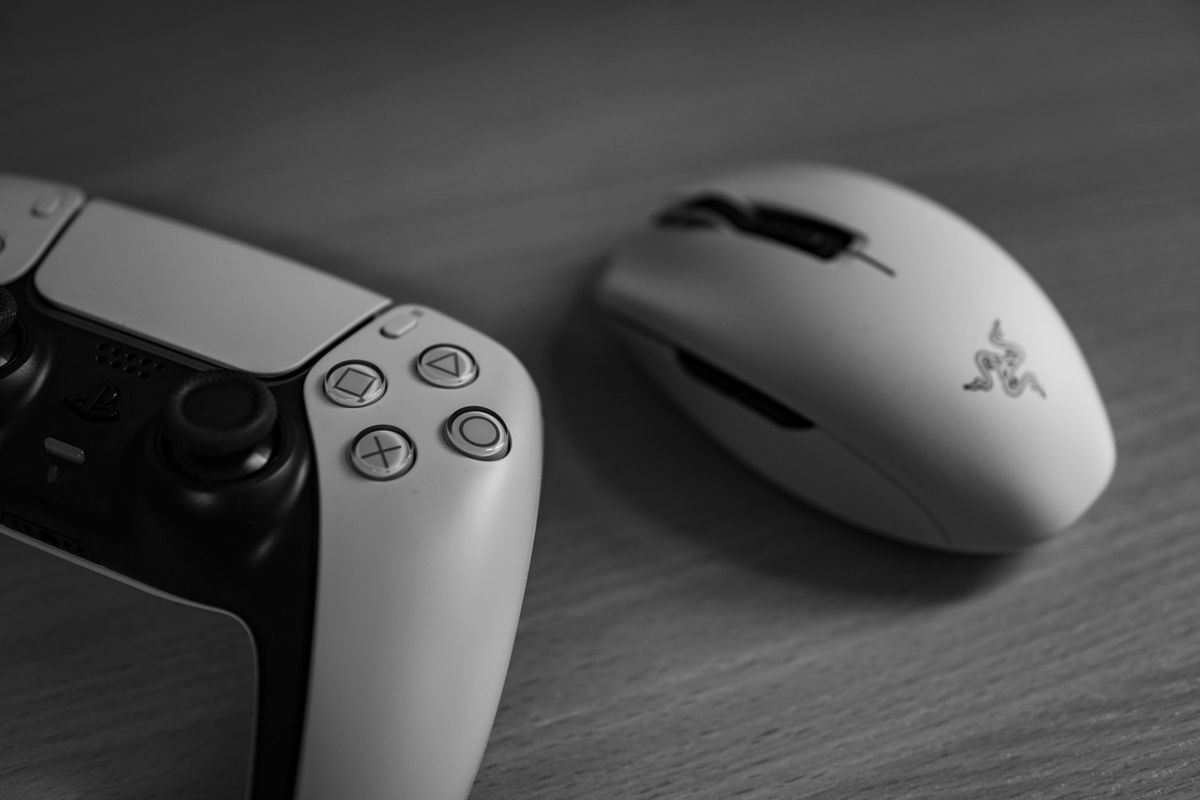
Weight is the mouse spec you feel every second of a match, and the one marketing has turned into a numbers race. The useful question is not which figure is smallest, but which class matches your grip, your game, and the state of your wrist after a four-hour session.
The three weight classes
Modern gaming mice cluster into three groups:
| Class | Range | Verified examples |
|---|---|---|
| Ultralight | under 60 g | Razer Viper V3 Pro (54 g), Razer DeathAdder V3 (59 g) |
| Mid-weight | 60 to 90 g | Logitech G Pro X Superlight 2 (60 g) |
| Full-featured | 100 g and up | Logitech G502 X Lightspeed (102 g) |
These are manufacturer figures, excluding cables where applicable. The ultralight band is where nearly every flagship esports release now lands; the full-featured band exists because extra buttons, batteries, and mechanisms weigh something.
What lighter changes
Flicks cost less force to start and stop, so long sessions tax your wrist less — that is the whole appeal. Community reports overwhelmingly favor sub-60-gram mice for competitive shooters. The trade-offs: fewer buttons, thinner shells, higher prices, and less mass to stabilize a shaky hand. Lightness also magnifies surface differences, because a feather glides or sticks more noticeably than a brick — see control vs speed pads.
Marketing amplifies all of this, because every gram saved is a headline. But the difference between 58 and 62 grams is imperceptible to most hands; buy by class, not by decimals.
What heavier changes
Heavier mice reward deliberate, low-sensitivity arm aiming. The extra mass smooths tremor during slow tracking, which some players come to prefer, and hybrid productivity mice cannot exist at 55 grams. If your setup leans on wide arm swipes across a large pad, 90 to 110 grams is a style, not a handicap. The mistake is buying heavy out of habit or light out of fashion, rather than matching the mouse to how you move.
How to choose
Pick shape and grip first — weight only matters inside a shape your hand likes, which our grip style guide covers. Then match weight to game: flick-heavy shooters favor lighter, slow tracking titles forgive heavier. Torn between two shapes? The lighter one is the safer default for marathon sessions.
Finally, keep the hierarchy straight: shape, weight, and sensor quality all outrank polling rate, which we break down in our polling rate guide. Battery, connectivity, and software refine a good mouse — they cannot rescue a bad weight class chosen for the wrong reasons.
There is no objectively correct gram count — only the weight that disappears in your hand after hour three, and for most competitive players right now that number starts with a five.
A practical test before you buy: if a store near you stocks display mice, pick each weight class up and move it in the flick pattern you actually use. Thirty seconds of honest reproduction beats any spec sheet, and it costs nothing.
Frequently asked questions
- Does a lighter mouse really improve your aim?
- It lowers the force needed to start and stop flicks and reduces wrist fatigue over long sessions, which most competitive players find helpful. It does not make bad crosshair placement better — it only makes executing your aim cheaper.
- What weight class do professional players use?
- Community gear trackers consistently report that most professional FPS players now use sub-60-gram mice, though plenty of winners still compete with 60 to 70 gram shapes. Weight is a preference inside a narrow band, not a rule.
- Is a 100-gram mouse bad for gaming?
- No. Heavy full-featured mice like the Logitech G502 X Lightspeed at 102 grams suit low-sensitivity arm aiming and people who want many buttons. The mass smooths slow tracking; it only becomes a liability in long flick-heavy sessions.