Gaming Headsets for Glasses Wearers: Clamping Force Guide
The ache above your ears is not a defect — it is physics. Clamping force, pad design, and weight decide whether glasses and headsets can coexist.
By Sofia Marques · October 13, 2026 · Updated October 13, 2026
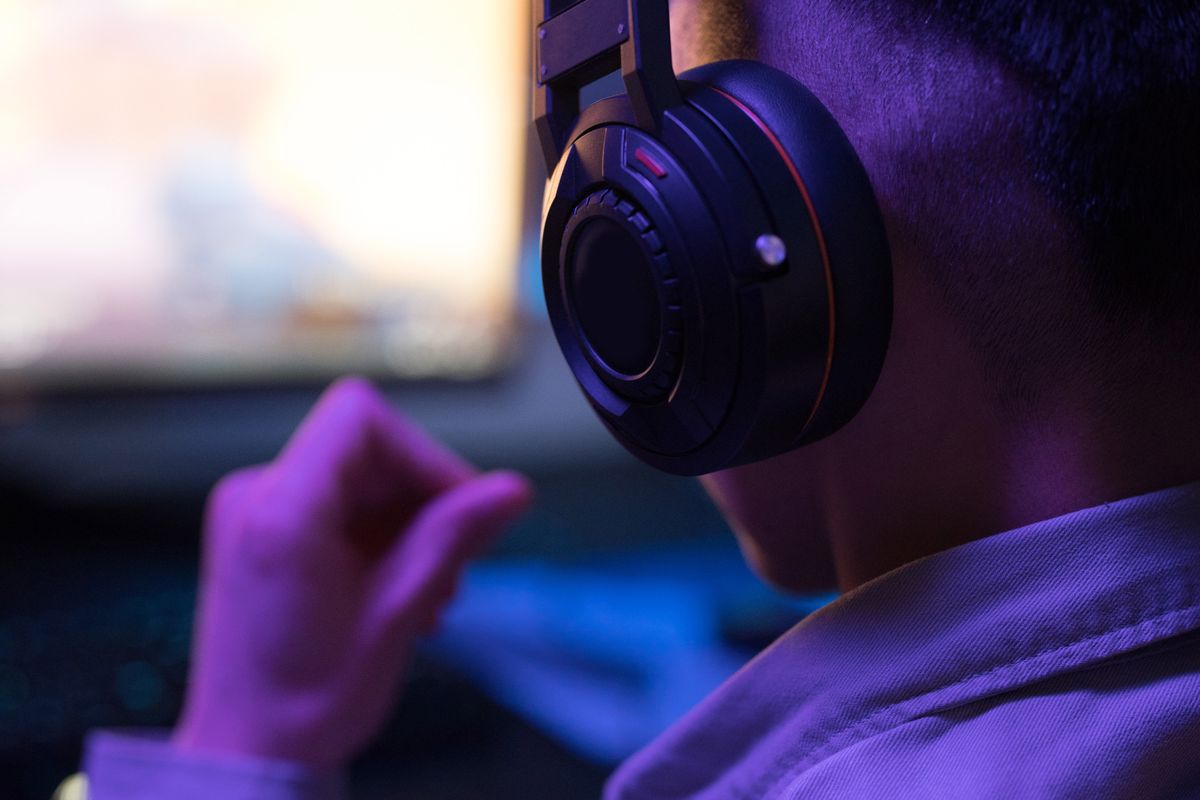
Glasses wearers do not experience headsets the way everyone else does. The earpad does not rest on skin — it rests on the rigid plastic temple of your frames, which presses that spot into your skull. An hour into a session, that intersection of clamping force and pad foam is the entire comfort story. The rest of this guide is about controlling it.
Where the pressure comes from
A headset must clamp inward to seal around your ears, or bass and isolation collapse. That clamp is normal; the problem is distribution. Almost no manufacturer publishes a clamping force figure — it is “not published” across the gaming headset category, so you cannot spec-shop your way out. What you can evaluate is where the force lands. Deep, soft pads spread it across a wider ring around the ear and let the glasses temple sink into compressed foam. Thin, firm pads concentrate it exactly where your frames already are.
Earpads matter more than anything else
Memory foam under leatherette or fabric is the glasses-wearer’s friend because it deforms around obstructions. The HyperX Cloud III’s memory foam cushions are a large part of why it suits long sessions, and Razer equips the BlackShark V2 X with breathable memory foam pads and thicker headband padding at a budget price. Fabric-faced pads also grip glasses slightly less than slick leatherette, letting frames settle instead of tugging. If a headset you own is otherwise excellent, aftermarket pads with deeper foam are the cheapest possible fix.
Headbands that self-adjust
Suspension-style headbands split the load in a way fixed bands cannot. The Logitech G335’s suspension design is explicitly built to distribute weight and relieve pressure points, and it weighs only 240 grams. SteelSeries’ ComfortMAX system on the Arctis line adds four-point adjustment — height, width, and a stretchy band — so the clamp you feel is one you set. Weight is the quiet multiplier here: the G335, the Arctis Nova 1 at 236 grams, and the BlackShark V2 X at 240 grams all demonstrate that light headsets turn the same clamping force into far less temple ache. Our budget headsets under $100 guide covers several of them.
Adjustments that cost nothing
Wear the temples over the pad’s edge rather than under the center, so the foam’s deepest part stays over your ear. Slide the headset a few millimeters forward or back each session to move the pressure point, and warm the pads between your hands before a long session — cold foam is stiffer foam. And if pain builds at a specific spot every time, the glasses themselves are half the equation: straight, thin temples spread load better than thick, curved ones. Comfort is a system, which is why our HyperX Cloud III review treats pads and headband as specs in their own right.
Frequently asked questions
- What clamping force is comfortable for glasses wearers?
- There is no standard: manufacturers almost never publish a clamping force figure, and comfort depends on your head width, frame thickness, and pad softness. Judge by the temple test — thirty minutes with your own glasses on — rather than by any number on a spec sheet.
- Do softer earpads fix glasses discomfort?
- They help more than almost any other change. Thick memory foam pads compress around the glasses temple instead of pressing it into your skull. Replacement pads are inexpensive and can rescue an otherwise good headset.
- Are lighter headsets always better for glasses?
- Not always, but weight multiplies everything else. A heavy headset with mediocre pads hurts faster than a light one with the same pads. Below roughly 240 grams, small fit flaws stop compounding into pain.